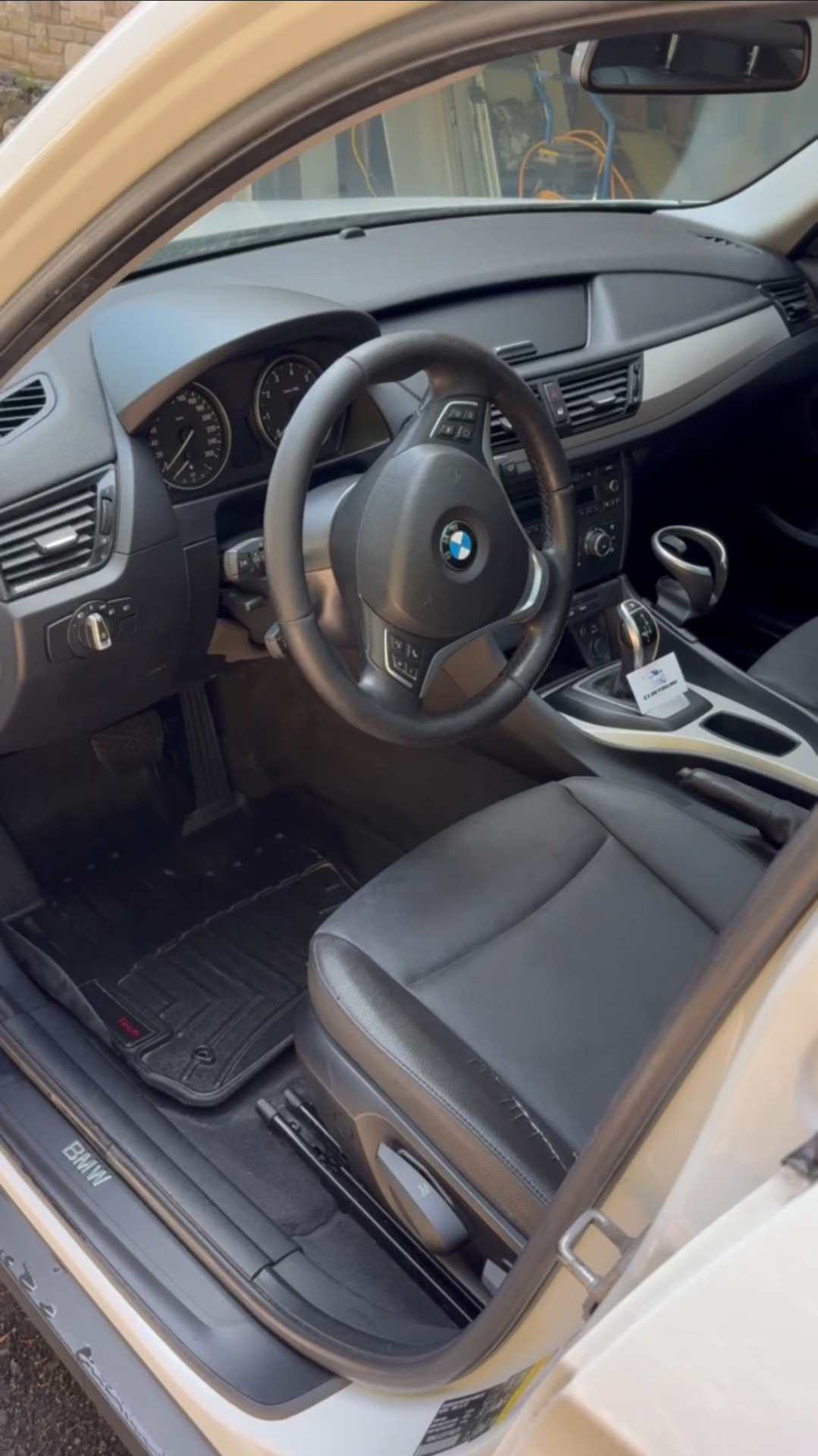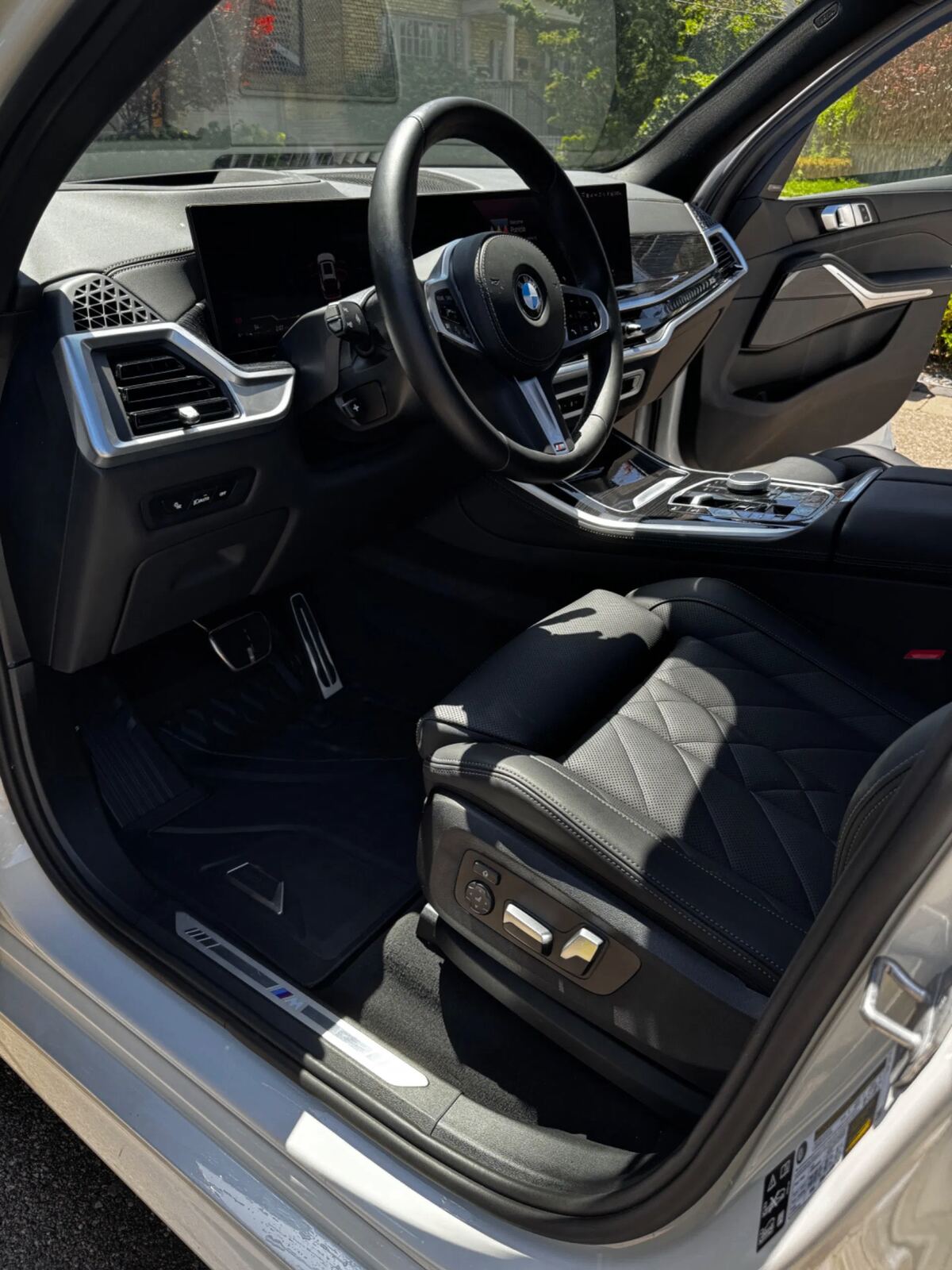
If you drive anywhere in the GTA between November and April, salt is unavoidable. It tracks in on your boots, dries into a white crust on your floor mats, and slowly bleaches your carpet fibers a permanent grey-white. By March, most drivers in Toronto have footwells that look like a beach at low tide. Vacuuming alone won't touch it — salt is a mineral that has to be dissolved, extracted, and neutralized. If you're just running a shop vac over it, you're wasting your time.
The good news: with the right method, most salt staining comes out completely, even after a full winter of neglect. The bad news: almost every household product marketed for the job actually makes things worse. This guide walks you through exactly what works, in the exact order the pros do it.
Why salt stains are actually a big deal
Road salt in Ontario is mostly sodium chloride, sometimes mixed with calcium or magnesium chloride for colder days. All three are hygroscopic — they pull moisture out of the air. Sitting in your carpets, they keep the fibers permanently damp, which does three things: it encourages mildew and that classic wet-dog smell, it corrodes the metal floor pan underneath your carpet padding (yes, cars rust from the inside out), and it makes the stain darker every time humidity spikes.
Left for a full season, salt also strips the dye from your carpet fibers. That's why old salt stains look bleached — because they are. Get on them early and they lift clean; wait too long and you're stuck with permanent shadows even after the salt itself is gone.
What you'll need
- A proper vacuum with a brush attachment (a cordless stick vacuum will struggle here — a shop vac is ideal).
- White distilled vinegar and warm water — a 1:1 mix in a spray bottle.
- A soft-bristle carpet brush or a stiff detailing brush.
- Clean microfibre towels — at least three.
- A wet/dry extractor if you have one (game-changer, but not strictly required).
- A fan or the car's own defrost on high for drying.
The 5-step method detailers use
- Step 1 — Vacuum thoroughly first. Pull the floor mats out, shake them off outside, then vacuum both the mats and the carpet underneath with a brush attachment. Get every loose grain of salt out before adding any liquid — otherwise you're just making salt-mud.
- Step 2 — Spray your 1:1 warm water and white vinegar mix directly on the stain until the area is visibly damp but not soaked. Vinegar is mildly acidic, which dissolves the ionic bond that holds salt crystals to fabric. It's the single most important step, and it costs about $2.
- Step 3 — Let it sit 3–5 minutes, then agitate with a soft carpet brush in small circles. You'll see the white haze start to lift and turn into a grey slurry — that's the salt coming out of solution.
- Step 4 — Extract with a wet/dry vacuum or hot-water extractor. Do NOT just blot with a towel. Blotting spreads the salt sideways into clean fibers. You want to suck the liquid up and out, taking the dissolved salt with it.
- Step 5 — Repeat once more on stubborn spots, then dry with the windows cracked and a fan running (or defrost on high for 20 minutes). Any leftover moisture reactivates the stain within a week.
What NOT to do
Don't just spray Resolve, Spot Shot, or any household carpet cleaner on it. Household carpet cleaners are formulated for household carpet, which is a completely different fiber blend. They leave behind soapy surfactant residue that stays sticky and attracts new dirt like a magnet. Within a month your "clean" spot will be visibly dirtier than everything around it. This is the number one mistake we see when clients bring in cars they've tried to DIY.
Also skip: bleach (destroys carpet dye), club soda (does nothing for salt), and any product that promises "instant" results in a spray-on-wipe-off cycle. Salt removal is chemistry, not magic — it takes dwell time and extraction.
Preventing it next winter
The best salt-stain removal is not getting them in the first place. Two habits make a massive difference: buy a proper set of rubber all-weather mats (WeatherTech, Husky, or the OEM winter mats), and stop by a car wash every 2–3 weeks in winter to hit the underbody and rinse the exterior. Salt on your paint is just as damaging as salt on your carpet — it eats brake lines, wheel wells, and rocker panels in the same silent way.
When to call a mobile detailer
If the salt has been in there for a full winter, if the stain covers your entire footwell, or if you're smelling that faint musty odor when you first turn the heat on, a proper hot-water carpet extraction is the only thing that reliably pulls it out. That's exactly what our Deluxe and Ultimate mobile detail packages include — a hot-water extraction, a salt-neutralizing treatment, and a fabric protectant so next winter's salt sits on top of the fibers instead of soaking in.
We come to you anywhere in the GTA, so you don't have to sit in a shop waiting room while your interior dries. Book online or reach out and we'll get your car looking (and smelling) like new before the next storm.
Need a hand?
Skip the guesswork — let us handle it.
Have a question about your specific vehicle, or ready to book a detail? Get in touch and we'll walk you through the best package for your car and budget.